What you taste
Matcha and wagashi explained
What matcha is, why the sweet comes before the tea, and what wagashi are. A first-timer's guide to the two tastes at a Kyoto tea ceremony.
Book the garden tea ceremony ↗Quick answer
Matcha is a finely ground powder of shade-grown green tea, whisked into hot water. Wagashi are traditional Japanese confections, often seasonal, eaten before the tea so that their sweetness meets its gentle bitterness. At the garden tea house near Kiyomizu-dera the ticket lists two cups of matcha from Uji, one made by the host and one by you, with traditional Japanese sweets.
What matcha is
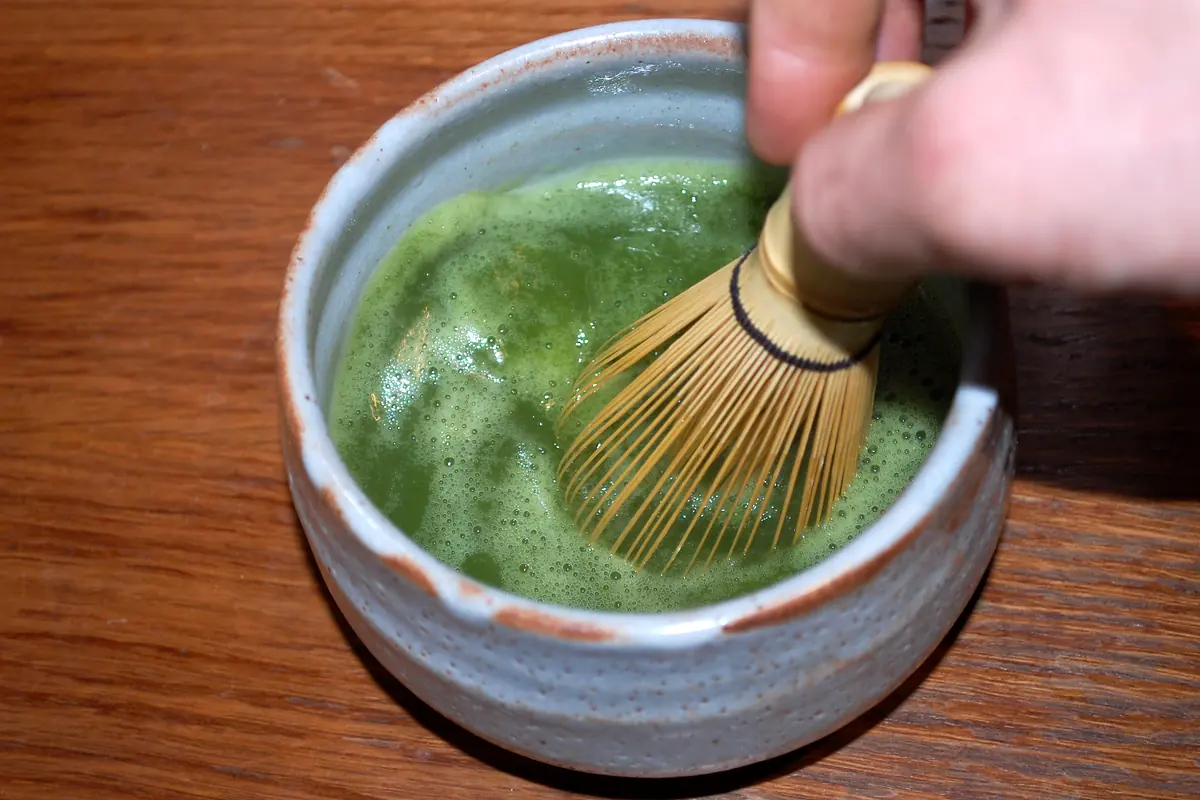
Wikipedia describes matcha as a finely ground powder of green tea made from shade-grown leaves, which gives it a bright green colour and a strong umami flavour. Both the International Organization for Standardization and the Japanese labelling standard require the tea to be grown in shade, steamed and dried without being rolled, and ground to a fine powder. The Japanese standard asks for the leaves to be shaded for two to three weeks before harvest. Matcha is typically consumed suspended in hot water, which is why it is whisked.
From monks to the tea bowl
Wikipedia says matcha developed from powdered tea practices that Zen Buddhist monks carried from China to Japan, and that the monk Eisai introduced the method around 1191. Shading techniques that developed in the Muromachi period in the sixteenth century produced the tencha leaves that are ground into modern matcha. Japan's tourism organisation says the tea ceremony has its roots in Zen Buddhism and that monasteries adopted green tea for religious ceremonies, before drinking tea spread through all levels of society by the sixteenth century.
Uji and Kyoto tea
The ticket lists matcha from Uji, a city on the southern outskirts of Kyoto, according to Wikipedia. Wikipedia says the shōgun Ashikaga Yoshimitsu promoted the cultivation of Uji tea and that Uji has been an important production and distribution centre for superior green tea ever since. Japan's tourism organisation says it was widely accepted that the finest green tea grew in Kyoto from seeds brought from China, and that Kyoto is thought to grow the best green tea in the country. The organiser's ticket therefore sits in a long local tradition.
Thin tea and thick tea
Wikipedia describes two ways of preparing matcha: thin tea, usucha, whipped with hot water using the bamboo whisk, and thick tea, koicha, which uses about three times as much tea for the same water and is kneaded into a paste-like texture. In a formal chaji the thick tea is the most important part, and one bowl is shared among several guests. A chakai, the simpler kind of gathering, may involve only thin tea and its sweets. Which style is served depends on the occasion.
What wagashi are
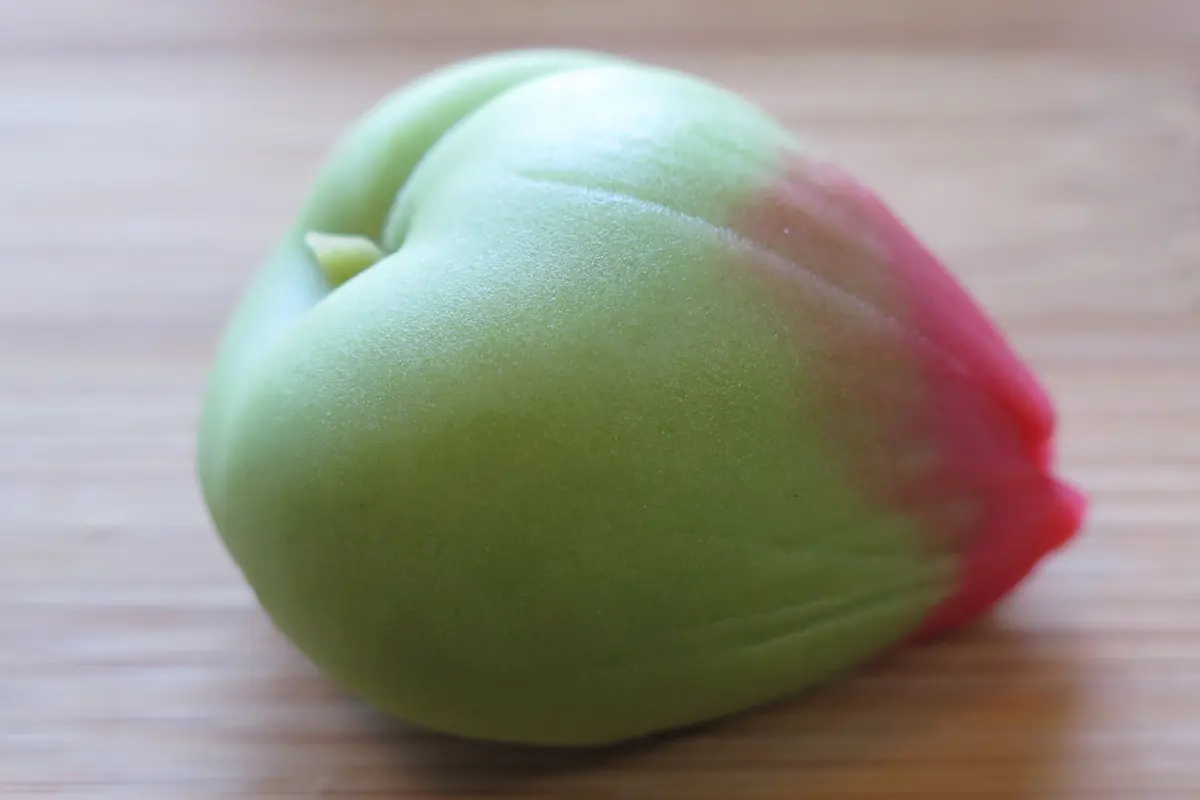
Wikipedia defines wagashi as traditional Japanese confectionery, typically made from plant-based ingredients, with an emphasis on seasonality and often served with green tea. Most of today's wagashi was born in the Edo period, when sugar became more available. The page says that nerikiri, a fresh confection kneaded from white bean paste and shaped into seasonal flowers and other themes, was created and developed in Kyoto during that period. The ticket describes the sweet only as a traditional Japanese sweet chosen by the tea master.
How to eat the sweet
Japan's tourism organisation says the sweet is eaten before the tea, so that its sweetness sits against the tea's gentle bitterness. Kyoto's tourism association says that when sweets come on a shared dish, you serve yourself using kaishi paper as a plate, and it suggests asking the sweet's name and noticing how its shape and colour depict the season. Japan's tourism organisation says to cut the wagashi into roughly three pieces as you eat it, rather than cutting it up in advance, and notes that many schools practice this but not all. The host will show you the way.
Frequently asked questions
Why is the sweet eaten before the tea?
Japan's tourism organisation says the sweetness contrasts with the tea's gentle bitterness instead of cancelling it.
What is matcha made from?
Shade-grown green tea leaves that are steamed, dried without rolling and ground to a fine powder, according to the ISO and Japanese labelling definitions Wikipedia cites.
Is the matcha at this tea house from Uji?
The ticket lists two cups of matcha from Uji, one made by the host and one made by you.
Can I ask about the sweet?
Yes. Kyoto's tourism association suggests asking the name of the sweet and noticing how it depicts the season.
Sources